



Business Process Outsourcing has become one of the most attractive targets for social engineering and insider-driven attacks. With delegated authority over core business workflows and high-value data for large organizations, BPO professionals operate at heightened risk, where a single compromised user can trigger disproportionate downstream impact.
BPO providers are third-party organizations, a category involved in approximately 30% of reported breaches, entrusted with running essential business functions such as customer support, finance and accounting, payroll, HR operations, healthcare administration, and IT services. These teams operate directly inside client environments, executing high-volume, time-sensitive workflows that require access to regulated systems, sensitive records, and privileged tools.
For clients, this model extends trust beyond the enterprise perimeter. Outsourced users are granted access to authenticate customers, reset credentials, process payments, manage accounts, and interact with internal systems that are foundational to daily operations. While necessary for scale and efficiency, this structure shifts critical control into outsourced environments that are highly attractive targets for attackers. When a compromise occurs within a BPO, the impact rarely stops at the provider. Operational disruptions cascade to client organizations, sensitive information is exposed at scale, and regulatory and reputational consequences follow.
This blog examines how user cyber risk emerges inside outsourced operations, how attackers exploit routine BPO workflows, and why legacy security awareness programs are no longer sufficient to protect outsourced teams or the organizations that depend on them.

User Cyber Risk Inside Outsourced Operations
User cyber risk in BPO environments is shaped by how outsourced work is structured and governed. BPO professionals are trusted to carry out sensitive actions at scale, often under strict performance requirements and time pressure. Their roles place them directly inside workflows that influence identity, access, payments, and account management for client organizations.
Outsourced operations commonly include functions like IT helpdesks and customer support teams, and back-office roles responsible for identity verification, password resets, MFA approvals, device onboarding, and transaction handling. These activities sit close to core systems and are executed continuously as part of normal operations. When access to these workflows is misused, it can blend into routine activity, allowing threats to spread without detection while impact accumulates across systems, data, and connected client environments.
Trends of employee turnover and distributed teams further increase exposure for BPOs. Frequent onboarding and role changes can limit familiarity with client-specific security expectations and cause uneven security hygiene across the workforce. Outsourced teams may also lack long-term context around a client’s culture and workflows, making subtle inconsistencies harder to detect when supporting multiple organizations.

How Social Engineers Target BPO Workflows
Social engineering attacks against BPO environments succeed by manipulating trusted users rather than bypassing technical controls. The below outlines how attackers exploit human behavior inside outsourced operations.
Multi-Channel Social Engineering
BPO environments depend on digital communication. Email, phone calls, and messaging are central to resolving customer issues, escalating cases, and coordinating work across teams and time zones. While necessary for efficiency, this tech reliance also expands the attack surface for social engineering attacks.
Lures are especially effective in outsourced operations because interaction volume is high and context switches are constant. Agents are often trained to prioritize throughput, which reduces the time available for verification, especially when a request appears routine or legitimate. With 90% of breaches still originating from human error, attackers blend malicious requests into everyday communication patterns in hopes that unsafe requests are approved quickly and without scrutiny.
Impersonation of Trusted Roles
Impersonation is a core tactic in social engineering attacks, including those against BPO environments. Adversaries commonly pose as client administrators, internal IT staff, supervisors, or vendors whose requests align closely with an agent’s responsibilities. The pretext is often operational: an access issue that must be resolved, a verification step that must be completed, or a change that must be processed to meet a client deadline.
Because outsourced agents are expected to act on behalf of clients and escalate issues efficiently, impersonation attacks that leverage authority or urgency can bypass informal verification steps, particularly when agents support multiple clients and systems.
Insider Threat and Bribery
The 2025 Coinbase breach demonstrates how insider threats in BPO environments often stem from manipulation or coercion rather than deliberate malicious intent. In this case, attackers bribed support staff to misuse their trusted access and disclose customer information. Outsourced employees are entrusted with sensitive data and operational authority within client systems, making them attractive targets for attackers seeking to exploit trusted access through financial incentives. Notably, frontline agents often face economic pressure while earning relatively modest compensation, making substantial bribe offers particularly difficult to resist.
Credential Abuse and Persistent Access
Compromised credentials allow attackers to operate using legitimate access, making malicious activity difficult to distinguish from normal operations. Stolen accounts enable lateral movement across systems and, in many cases, across client environments where access is shared or over-permissioned. Employee fatigue and MFA bombing can increase risk by pressuring users to approve repeated authentication requests until one succeeds.
The result is not limited to unauthorized access. Credential misuse enables fraud, unauthorized account changes, and cascading consequences. It can disrupt service delivery, trigger prolonged recovery efforts, and force client organizations to absorb operational and compliance risk even when the initial compromise occurred within a third-party environment.

Why Legacy Programs Can’t Keep Up with Threats Facing BPOs
Legacy security awareness training was not designed for outsourced operations in today’s evolving threat landscape. Annual courses and generic phishing tests assume stable workforces, consistent roles, and predictable attack patterns. In BPO environments, high-turnover, rapid onboarding, and shifting client contexts make static training ineffective as a user risk control.
Traditional programs also fail to reflect how attacks occur inside outsourced workflows. Testing and training often focus on email-based phishing while ignoring voice calls, SMS, collaboration platforms, and multi-channel tactics that dominate modern social engineering. As a result, agents are left completing required courses while remaining unprepared for the attack paths they encounter during daily operations.
Checking a compliance box does not indicate whether an outsourced agent can recognize impersonation, resist urgency, or apply verification steps under pressure. Modern BPO security requires continuous visibility into user behavior across every channel, with the ability to identify and reduce elevated risk proactively.
Dune Security enables this shift by simulating real-world social engineering attacks across email, SMS, voice, video, and encrypted apps like WhatsApp, Telegram, Signal, and Viber to expose where outsourced users are most vulnerable. The platform continuously scores user risk based on behavior, role, and access, then automatically prioritizes and delivers targeted remediation to reduce exposure before attacks hit, moving BPO security from periodic awareness to continuous risk reduction at the user layer.
FAQs

Our Latest Insights


Stevens Institute of Technology modernizes security awareness and improves individual risk management with Dune Security
Stevens Institute of Technology modernizes security awareness and improves individual risk management with Dune Security



Hitachi Digital future-proofs security training for a global workforce with Dune Security
Hitachi Digital future-proofs security training for a global workforce with Dune Security


Phishing Didn't Leave the Inbox. It Expanded Around It.
Mobile-centric phishing carries a 40% higher success rate than email. Vishing is up 442%. Deepfake fraud is projected to hit $40 billion by 2027. The attack surface didn't shift, it expanded. Here's what that means for enterprise defense.
.jpeg)
Social Engineering Is About to Be the Only Game in Town
AI is finding and patching zero‑days at machine speed. The traditional attack surface is collapsing. The only place attackers can still win consistently is the user. Learn what that means for CISOs trying to defend the enterprise, and why the operating model that worked for networks, endpoints, and identity has to come to the User Layer next.

The Top User-Driven Cyber Threats Targeting Law Firms
Law firms sit on some of the most sensitive and valuable data in the enterprise, and attackers have built an entire playbook around exploiting the users who handle it. Learn how four dominant threat vectors are targeting legal sector workflows in 2026 and what it takes to stop attacks at the User Layer.
How Attackers Exploit Trusted Access in BPO Environments
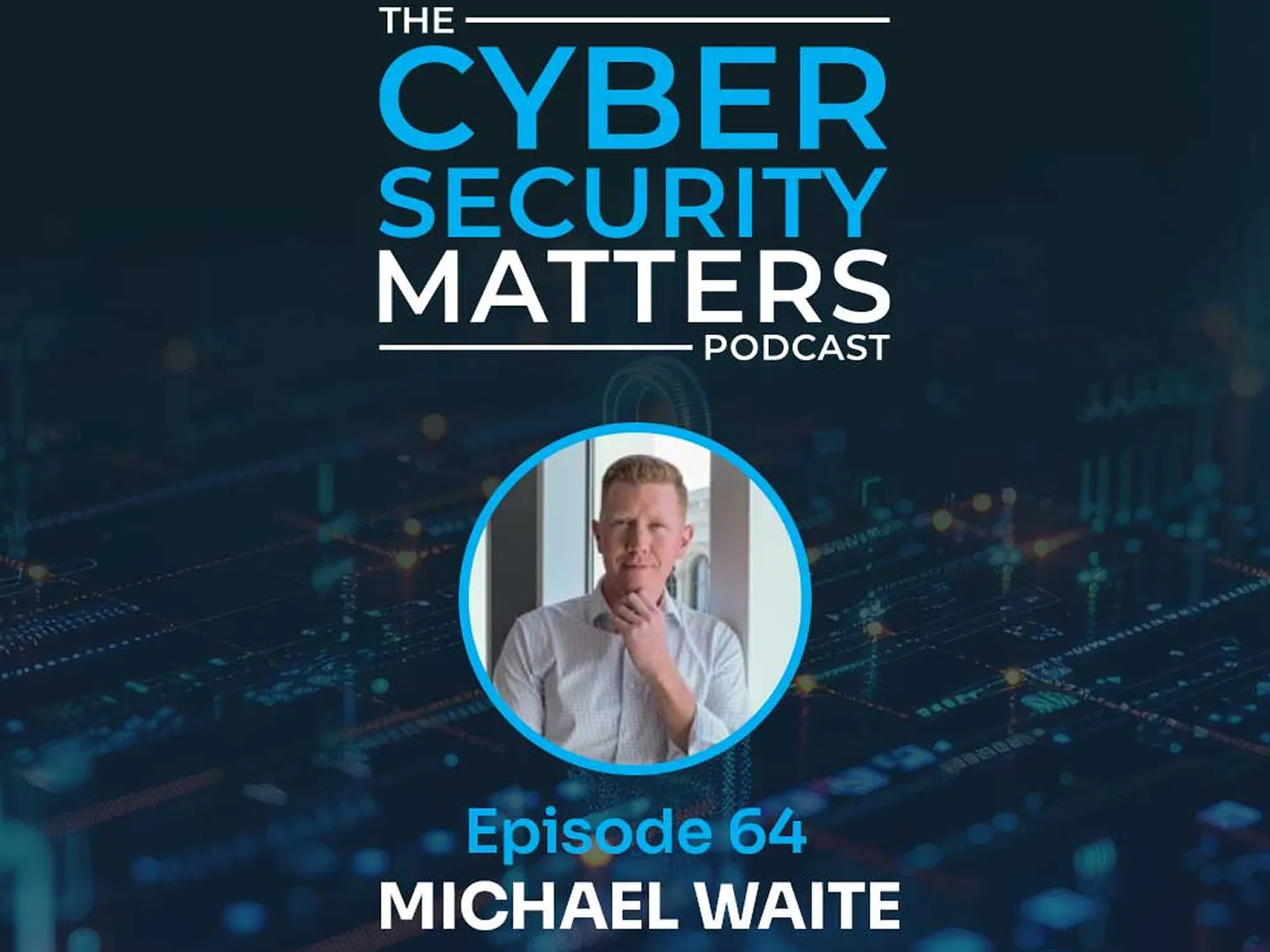
Dune Security CTO Michael Waite joins the Cyber Security Matters podcast to discuss how AI-driven social engineering is evolving, why legacy security awareness training no longer works, and how behavior-based risk quantification can better protect users from emerging threats.

How Attackers Exploit Trusted Access in BPO Environments
Dune Security CEO David DellaPelle joins Secure Insights to break down why user risk drives breaches, how AI is accelerating social engineering, and why legacy awareness models are no longer effective.
How Attackers Exploit Trusted Access in BPO Environments
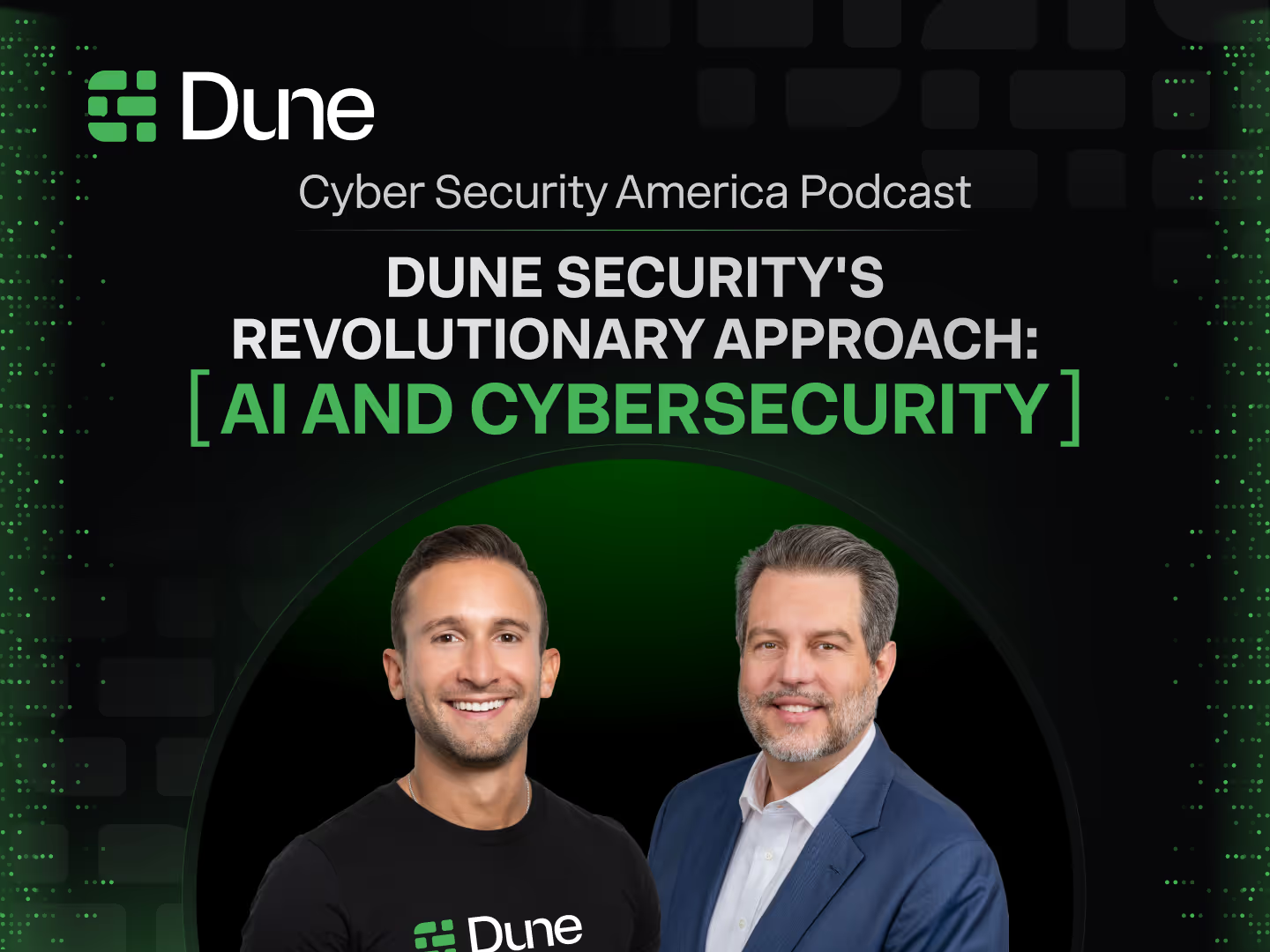
Dune Security CEO David DellaPelle joins the Cyber Security America podcast to explain how AI-driven social engineering is outpacing traditional security awareness training and why organizations need a behavior-driven approach to identifying and reducing user risk.

Philadelphia Area Cyber Technology Showcase & Golf Outing
Dune Security sponsored GuidePoint Security's Philadelphia Area Cyber Technology Showcase and Golf Outing, a regional gathering of cybersecurity professionals and technology partners.
.avif)
Controlled Chaos: Enabling Innovation While Ensuring Safety & Security
GRC and security leaders from UiPath, Yugabyte, and CXD Consulting on enabling rapid innovation without losing the controls that keep the business standing.
.avif)